-
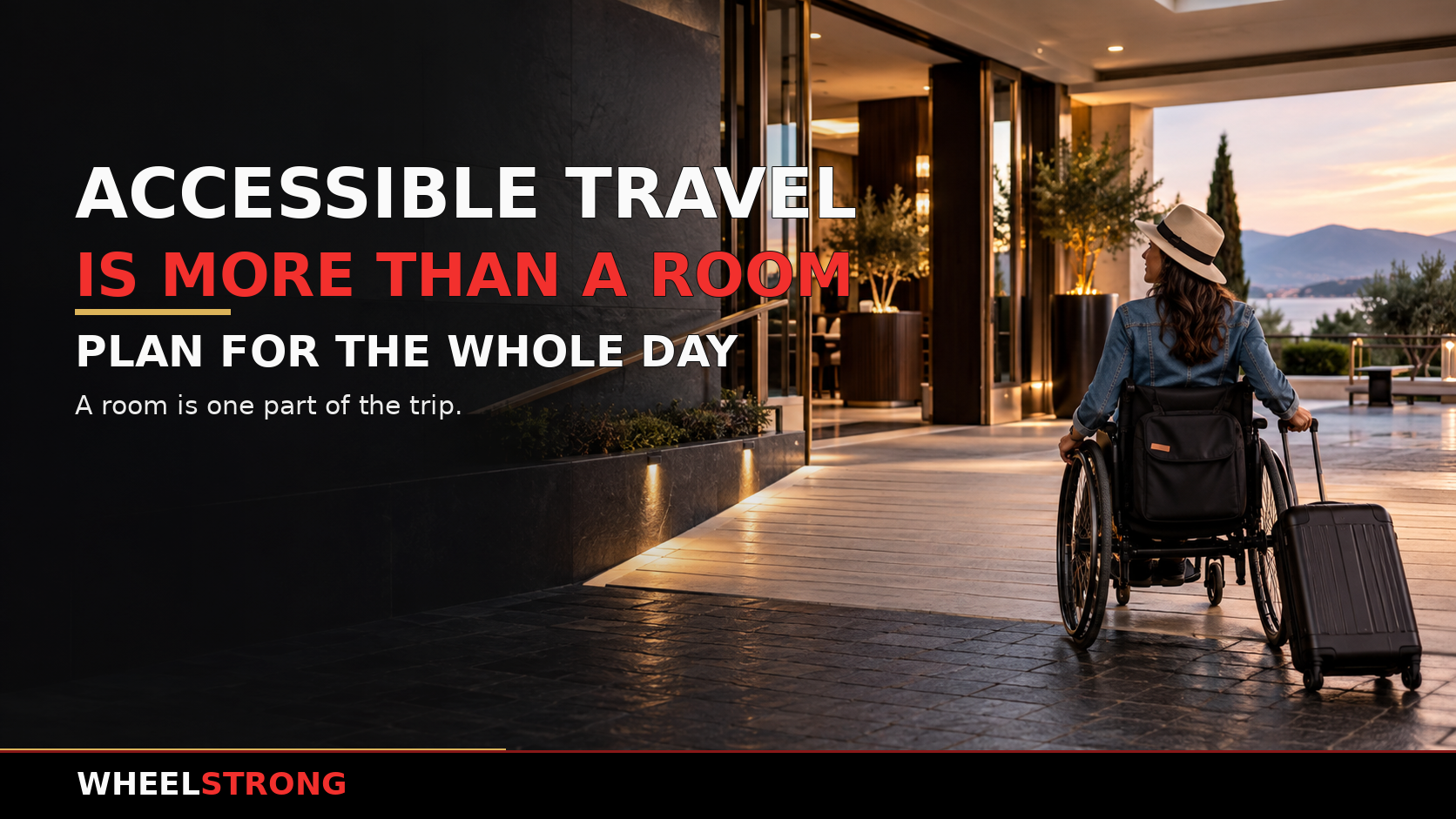
Accessible Travel Is More Than an Accessible Room
A room is one part of a trip. Use these questions to check whether the full travel plan works for your body and your needs.
-

Starting an Adaptive Workout Routine After SCI
A realistic starting framework for movement after spinal cord injury, with room for your ability, equipment, energy, goals, and clinical guidance.
-
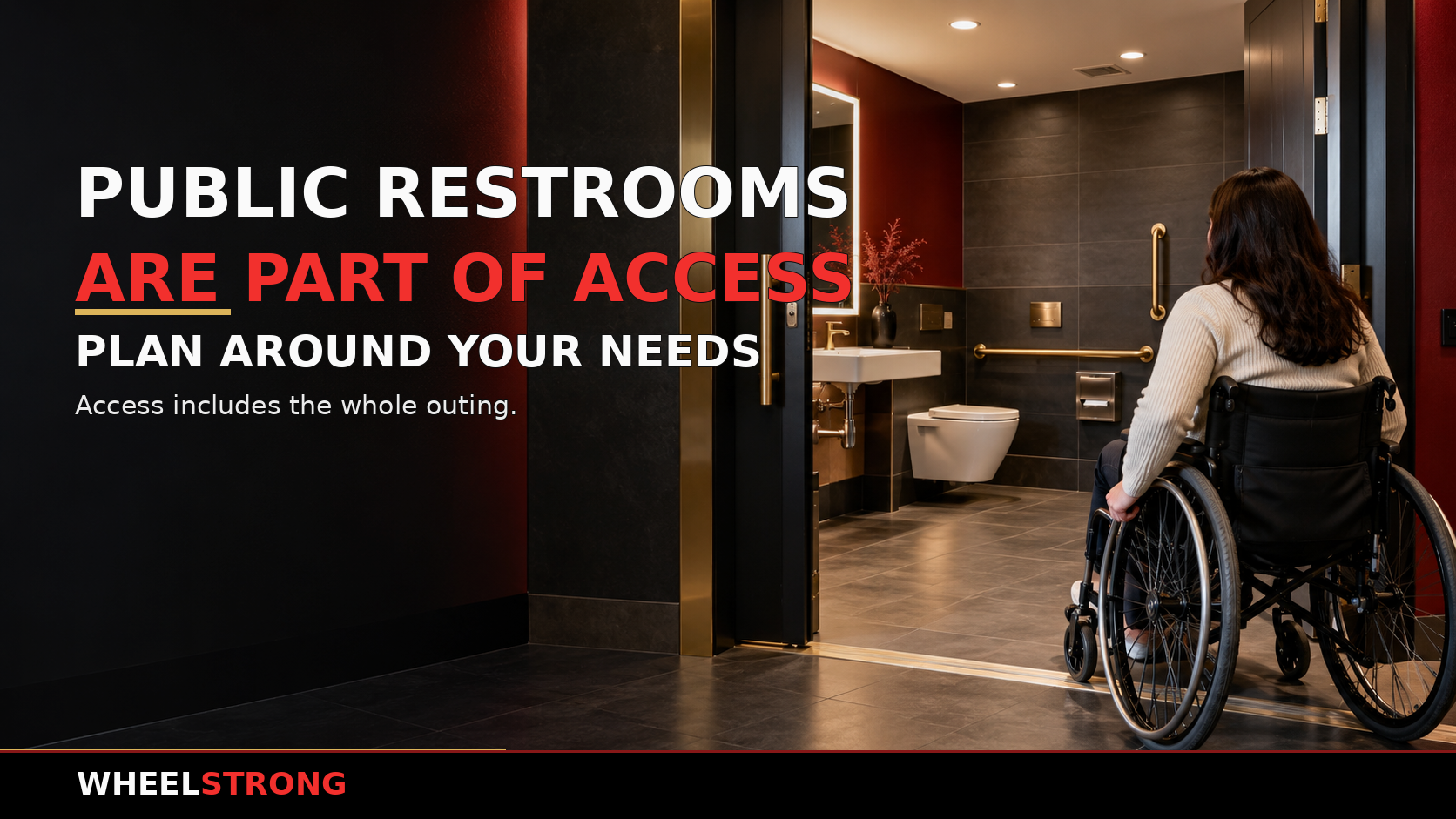
Public Restrooms Are Part of Access
An outing is only as workable as the places you can use along the way. These questions can help you plan around your own restroom needs.
-
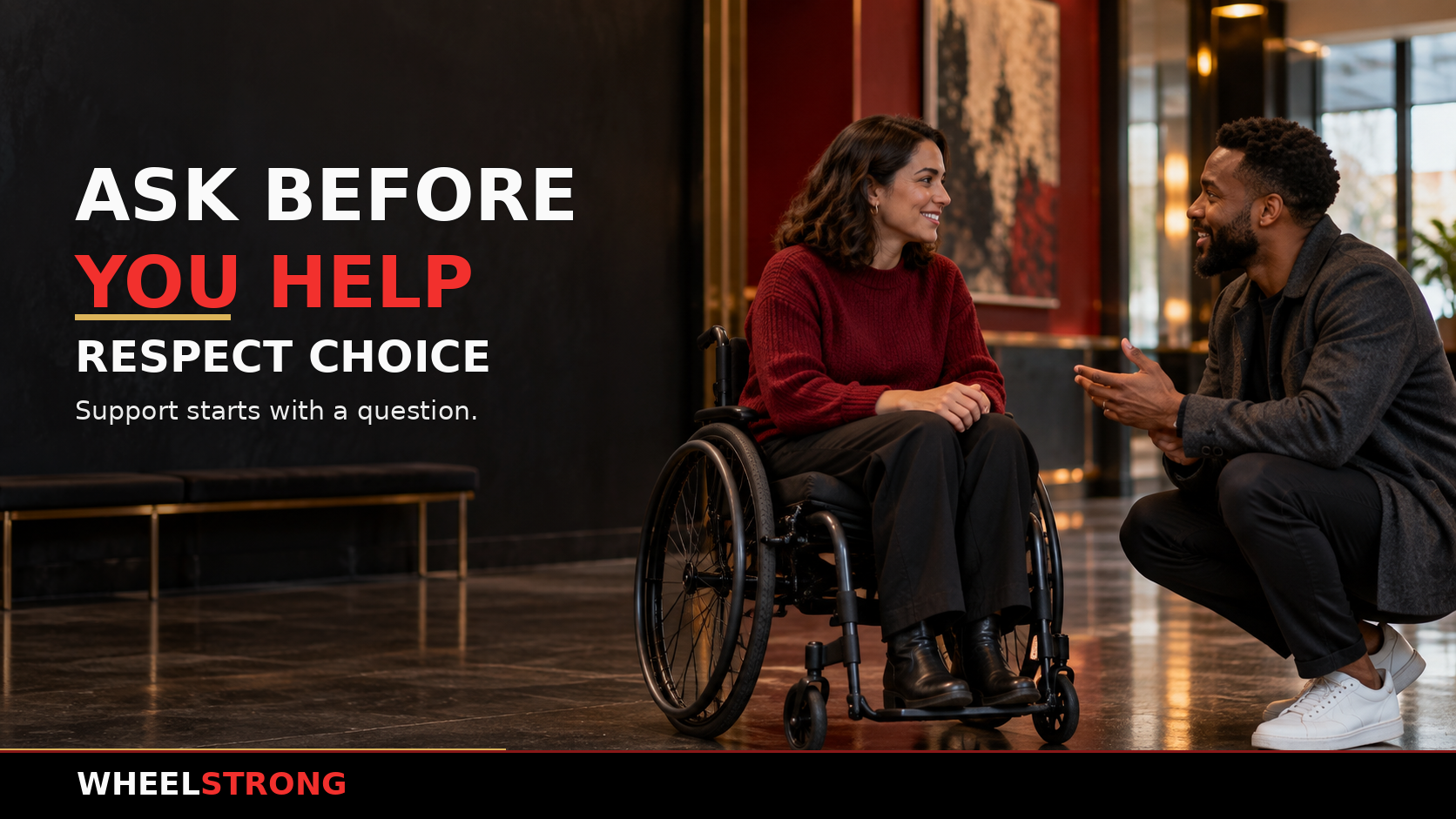
Ask Before You Help: Disability Etiquette That Respects Choice
Good support starts with a question. A few simple habits can help disabled people keep control of their space, equipment, and decisions.
-
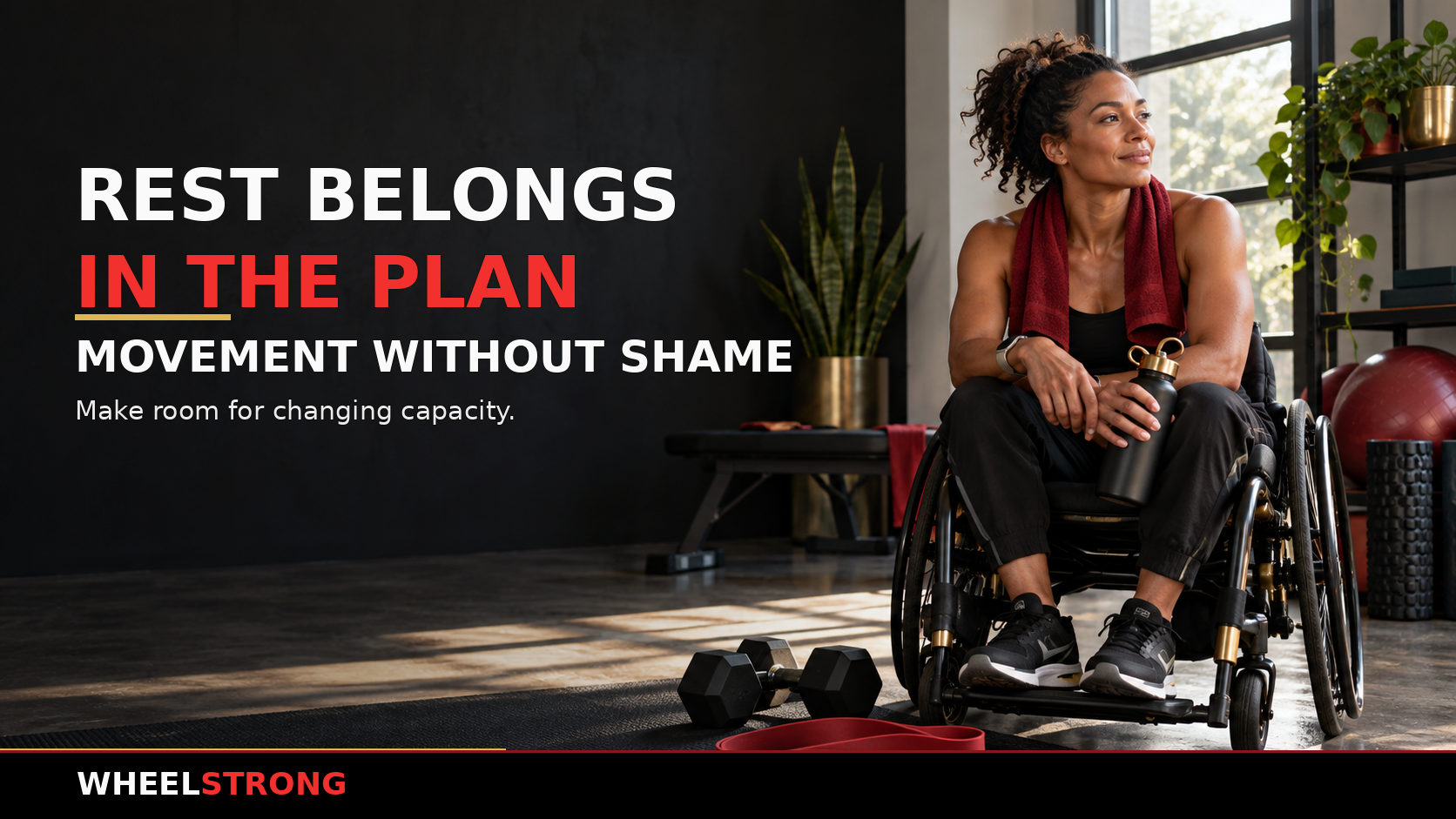
Rest Belongs in the Plan: Movement Without Shame
A useful movement routine can include lighter days and rest. The goal is a plan that supports your life, not one that punishes you for being human.
-
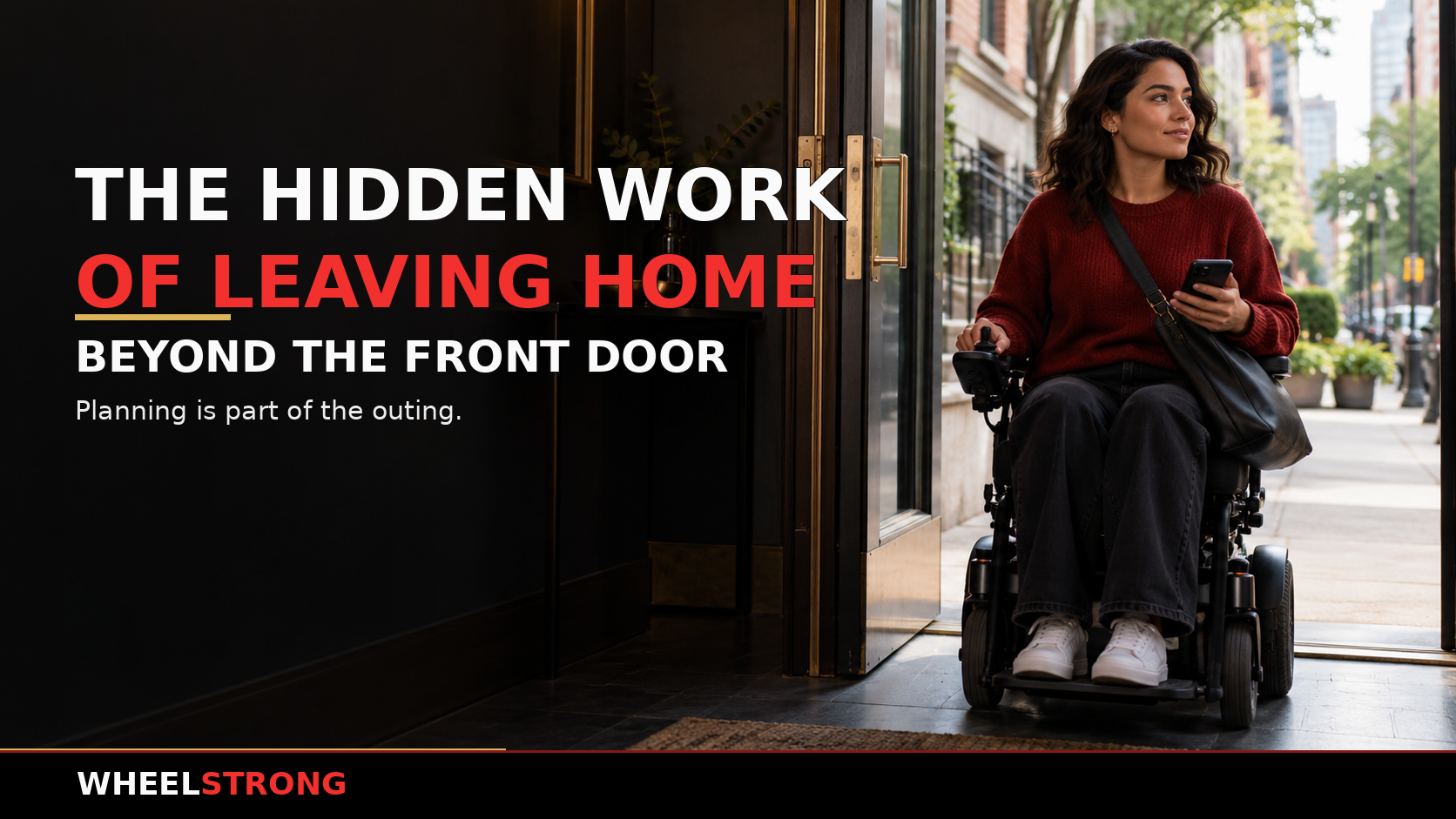
The Hidden Work of Leaving Home as a Wheelchair User
A quick outing can take real planning. Here are practical ways to make room for access needs, changing plans, and your own energy.
-
Accessibility Starts in the Ordinary Parts of Home
Accessibility at home is often shaped by ordinary details: reach, turning space, lighting, storage, clear routes, and routines that preserve choice.
-
Autonomic Dysreflexia: Why a Personal Action Plan Matters
Autonomic dysreflexia can become a medical emergency for some people with SCI. Learn common warning signs, triggers, and why a clinician-approved personal plan matters.